
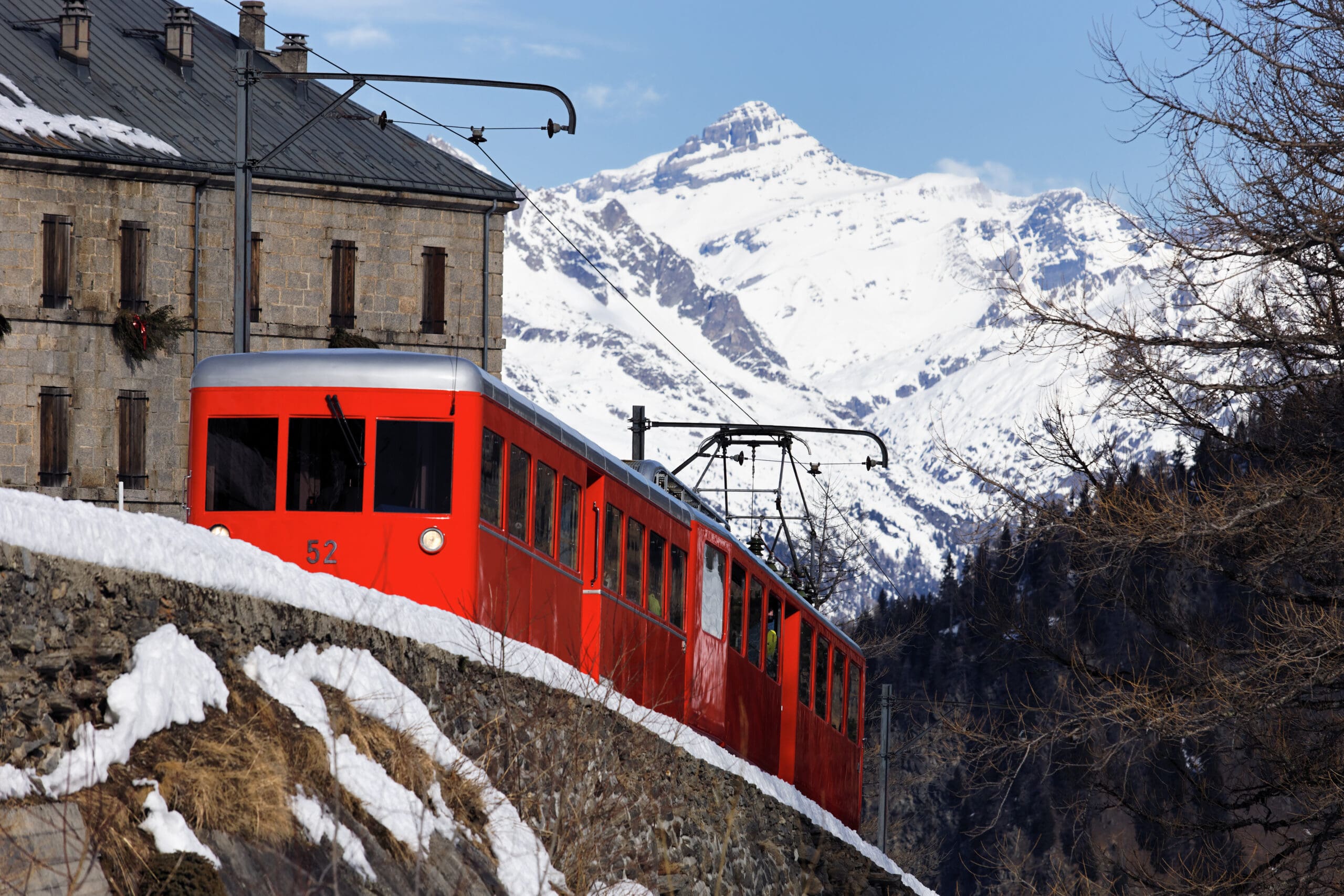
Rail professionals from across the Alpine region gathered in Vienna in October for the Alpine Rail Optimization conference. The event, now a staple of the transport calendar, is designed to examine the role of innovation and new technologies in advancing the rail sector and to share best practice examples across the transport community.
The Cohesive team joined an illustrious list of attendees and presenters – all committed to accelerating the rail industry’s modernization. These included Rolf Härdi, Chief Technology Innovation Officer from Deutsche Bahn, Philippe de Laharpe, R&D Project Chief for AI & Remote Diagnosis from SNCF Voyageurs and Gudrun Senk, Managing Director & CTO at Wiener Linien.
We contributed to discussions with examples from some of the international rail operators we are working with. These include Auckland One Rail (AOR), operator of Auckland’s Metro Rail, for whom we are currently implementing the IBM Maximo Application Suite (MAS) version 9. The implementation is designed to support AOR in its mission to deliver a world-class, reliable, and safe service for its 71 million annual riders. You can read more about this work, here.
We also shared details of the rail accelerator we have developed to enable rail organizations to gain maximum value and benefit from MAS. Incorporating rail-specific workflows, it helps our rail clients to accelerate their MAS deployments. You can learn more about this, here.
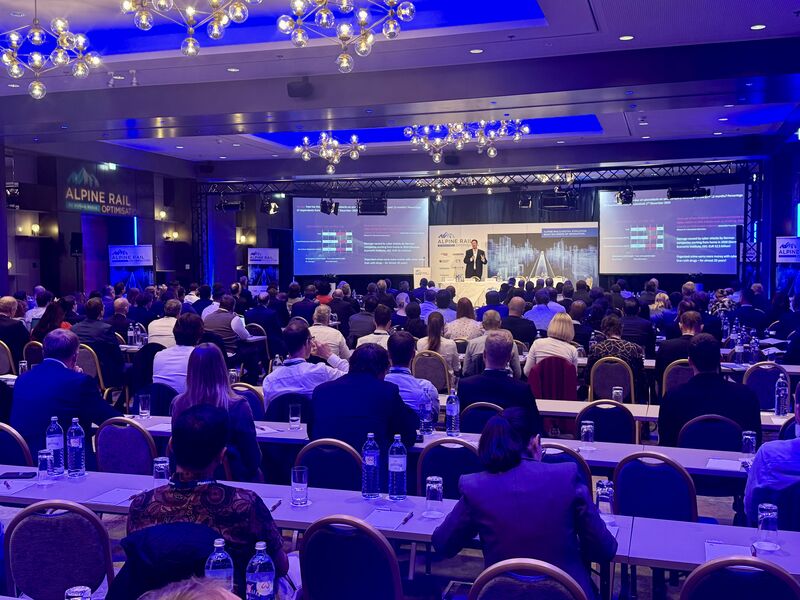
Our five key takeaways from this event:
- Digital twins – now an operational reality
Digital twins were one of the event’s most discussed topics. Rail operators are now moving from pilot projects to enterprise-scale implementation. Twins are being used to simulate operations, manage asset health, and plan maintenance with unprecedented accuracy. They are giving operators a precise understanding of their assets and helping them to prioritize investments.
- Data – keeping trains on track
Predictive maintenance has moved from aspiration to action. Operators are using IoT sensors, AI, and analytics to anticipate failures, optimize maintenance intervals, and extend asset lifespan, as well as to ensure that services operate punctually.
We really like this explanation of what ‘predictive maintenance’ really means on a day-to-day basis from an interview in 2024, with Cyril Verdun, Director of Maintenance Engineering, Rolling Stock Division, at France’s SNCF group. He said: “With predictive maintenance, we receive a steady stream of data from our trains, interpret it with algorithms we’ve developed at our own expense, and use this information to reduce the need for inspections.
“Instead of treating trains like cars, with service carried out every x km, we can eliminate periodic inspections altogether. Not only can we predict and anticipate failures, we can tailor our maintenance schedule to the actual condition of each piece of equipment.”
Operators at the conference explained too that, by using AI and enterprise asset management (EAM) systems to intervene before a failure occurs, their technicians are not forced to work under the pressure which results from operational emergencies. This creates a safer working environment.
- Sustainability through smarter asset utilization
Sustainability was a recurring theme throughout the event – unsurprising given the Alpine region’s unique geography and environmental sensitivity.
Rather than focusing solely on building new infrastructure, many of the Alpine operators are looking to optimize what already exists and using data and digital tools to improve performance and reduce waste.
Digital asset management plays a central role in achieving these sustainability goals – helping teams to manage physical assets more efficiently to reduce waste, optimize energy use, and support environmental, social, and governance (ESG) goals.
- Fragmented data – still a challenge…
Some infrastructure managers highlighted their challenges with fragmented data ecosystems. A common refrain was that, with multiple asset systems, inconsistent master data, and siloed workflows, unlocking reliable insights with genuine value to day-to-day operations remained difficult. This is where EAM platforms, like Maximo, play such a vital role.
- Collaboration and ecosystem thinking
A notable shift at the conference this year was the emphasis on collaboration – across operators, suppliers, and technology partners. The industry is recognizing that no single system or vendor can solve rail’s complex challenges alone.
What’s next?
It’s clear that rail digitalization in the Alpine region will continue to accelerate – there is a huge appetite for it. We look forward to continuing the dialogue and helping more rail organizations to use technology to maximize the performance, reliability and lifespan of their critical infrastructure.
Interested in learning more? Email [email protected]