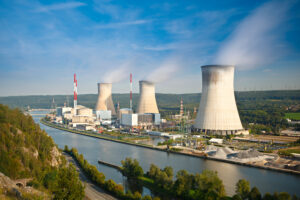
Power Plant Reduces Risk with Integrated Asset Management
Meeting compliance and safety regulations with IBM Maximo.
The Challenge
Operating a modern power generation facility involves significant safety risks, particularly during the high-risk first fire phase following Commercial Operation Date (COD). This milestone—when the plant begins generating electricity—requires tightly coordinated work activities under hazardous conditions such as high pressure, extreme heat, and confined spaces. Any lapse in safety protocols could result in fires, toxic exposure, equipment failure, or regulatory non-compliance, each carrying severe environmental and financial implications. A single day of unplanned downtime can exceed USD 4 million in losses.
To reduce risk, the new plant needed to meet and demonstrate compliance with safety regulations that ensure staff and contractors take necessary precautions when conducting their work.
Our Solution
Cohesive collaborated with the organization to define asset and safety management requirements and configured IBM Maximo as the plant’s integrated Enterprise Asset Management (EAM) system. In addition to core Maximo functionality, the solution included advanced safety modules—Job Safety Analysis (JSA), Permit to Work (PTW), Isolation Management, and Lock Management.
Prior to go-live, Cohesive also provided user training and organizational change management to ensure rapid adoption of the new system.
The Results
An integrated EAM solution ensures coordination across management and maintenance, pivotal at a high-risk environment like a power plant. Everything is linked and all necessary precautions can be included in each work package. Real-time monitoring enables the team to effectively track active permits. Risk decreased during the high stakes COD/first fire phase, there were zero incidents and no downtime.
The new functionality is also helping strengthen the plant’s reputation as a socially responsible employer. In addition to increased safety improvements, the PTW process can also reduce Scope 1 and Scope 2 emissions by preventing incidents that might cause unplanned emissions, leaks, or energy inefficiencies.